
בינה מלאכותית היא כעת חלק מתהליך הגשת אפליקיישן לתוכניות ה-MBA המובילות בעולם. בין אם מועמדים משתמשים בה באופן פעיל או פשוט מתפתים לעשות זאת. השאלה המרכזית היא כבר לא רק האם בינה מלאכותית מותרת, אלא כיצד להשתמש בה מבלי לפגוע באותנטיות, בשיקול דעת או במדיניות בית הספר. מדריך זה מסביר מה ועדות הקבלה באמת בודקות, כיצד בתי הספר שונים בכללים שלהם, וכיצד מועמדים יכולים להשתמש בבינה מלאכותית באחריות.
מה בתי הספר באמת בודקים לגבי שימוש בבינה מלאכותית באפליקיישן?
אם בוחנים מקרוב כיצד אנשי ועדות הקבלה מדברים על בינה מלאכותית, החששות שלהם הם למעשה די פשוטים: בעלות, עקביות וכנות.
- בעלות: הם רוצים לראות שהאפליקיישן משקף את החשיבה שלכם, את הבחירות שלכם ואת הפשרות שלכם, ולא גרסה מלוטשת שהורכבה על ידי כלי.
- עקביות: הם מחפשים התאמה בין מה שאתם כותבים למה שאתם אומרים בראיון. אם חיבור נשמע מלוטש ומופשט מאוד, אבל השיחה מרגישה טבעית וספציפית, ניתוק זה יכול לעורר שאלות.
- כנות: בתי הספר מצפים שתפעלו לפי ההוראות שלהם, בין אם זה אומר לכתוב הכל בעצמכם או לחשוף כל תמיכה בבינה מלאכותית בה השתמשתם.
תמונת מצב של כל בית ספר: ההנחיות המדויקות של כל תוכנית לשימוש ב-AI
להלן תמונת מצב של כל בית ספר, עם ציטוטים מדויקים להנחיות של תוכניות MBA לשימוש בבינה מלאכותית בתהליך הגשת המועמדות.
| School | Stance & Official Policy | What is means |
| Stanford GSB | It is improper and a violation of the terms of this application process to have another person or tool write your essays. Such behavior will result in denial of your application or revocation of your admission. | Strict prohibition. They view any outside text generation as a serious integrity violation. |
| NYU Stern | Your essays should be written entirely by you. An offer of admission will be revoked if you did not write your essays. | Strict prohibition. Zero tolerance for AI-generated text. |
| Columbia Business School | Columbia University permits the use of generative AI tools for idea generation and/or to edit a candidate’s work; however, using these tools to generate complete responses violates the Honor Code. | Permitted with guardrails.
Focuses on protecting the originality of the text. |
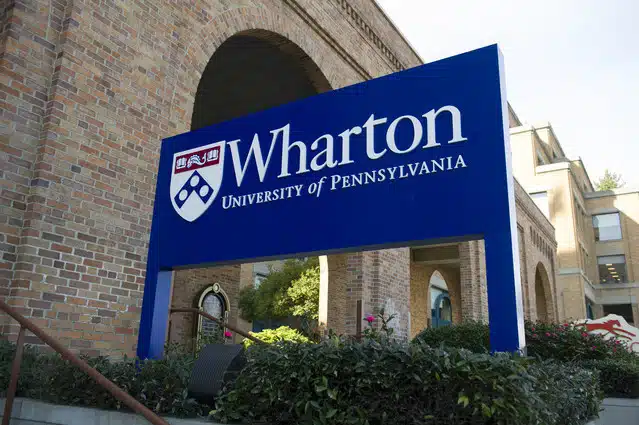
| Wharton (UPenn) | Your work contained within this application must be your own. We recommend applicants treat generative AI as you would the guidance or writings of another person – as it is unacceptable to have another person substantially complete a task like writing an admissions essay, it is also unacceptable to have AI substantially complete the task. Wharton may use its own proprietary and/or licensed AI solutions in order to identify AI-authored elements of applications. Any such flagging will result in a more holistic investigation of an application. | Permitted with guardrails.
Active use of detection software to trigger deep background checks if flagged. |
| Duke Fuqua | All essays are scanned using plagiarism detection software. If you have worked with a consultant or used any form of Generative AI tools (e.g., ChatGPT) to support the completion of your application materials, the expectation is that the work submitted is authentically yours and is a true and factual reflection of who you are and what you have experienced. | Permitted with guardrails. Explicitly uses scanning software to verify alignment with your real experiences. |
| Oxford Saïd | Your essays should be your own work and may be checked using plagiarism detection software as part of the admissions process. | Permitted with guardrails.
Utilizes tech-driven verification to back up authorship. |
| Harvard Business School | Have you utilized AI in completing the application? Note, the use of AI is permitted; however, you should not claim AI output as your own independent work, and you should always verify the quality of concepts and content that you develop through the use of generative AI tools. If you select ‘yes’ you are prompted with: In accordance with HBS student policy, you must cite your sources. Please indicate below in what manner you have utilized AI in completing this application, and in which sections. (75 words max) | Mandatory disclosure.
Treats AI as an external source requiring explicit citation. |
| Northwestern Kellogg | Generative AI can be a powerful aid in crafting an essay, but it should be used as a supplementary tool rather than a replacement for your own effort and creativity. You should cite the use of generative AI by referencing the tool at the conclusion of your essay (Name of Tool, URL). | Mandatory disclosure.
Requires a clear citation footprint directly at the bottom of your essay. |
| London Business School | If you use Artificial Intelligence (AI) software to help you, this must be referenced as a footnote to the essay (not included in the word count). | Mandatory disclosure.
Clear referencing via non-word-count footnotes. |
| Michigan Ross | If you use Artificial Intelligence (AI) software in the creation of your essay answers, you are required to use the APA in-text citation “Personal Communication.” Rule: (Communicator, personal communication, Month Date, Year); example: (OpenAI, personal communication, September 1, 2024). | Mandatory disclosure.
Requires strict academic formatting rules for the usage of AI. |
| Yale SOM | We advise you to employ AI only in ways that support, not compromise, the authenticity and originality of your submission. AI-generated content shouldn’t be the primary source of your essay content. Your own voice and ideas should be at the forefront. If you are considering using AI tools to script the spoken components of your application – in a word: don’t. | Permitted with guardrails.
Allows light written support but places a hard, zero-tolerance ban on spoken/video scripts. |
היכן מתחיל השימוש ב-AI להרגיש "לא תקין" באפליקיישן
משרדי הקבלה הופכים גם הם מתוחכמים יותר בכל הנוגע לזיהוי מתי האפליקיישן של מועמד מסוים לא מרגיש אמיתי, אפילו מבלי להסתמך אך ורק על תוכנה. כאשר חיבור מלא בהפשטות מלוטשות וממעט בשמות קונקרטיים, תאריכים, מספרים ותוצאות ספציפיות, זה לעתים קרובות מעורר קריאה מדוקדקת יותר או שאלות המשך בראיונות.
ברחבי התעשייה, קוראי קבלה רואים יותר חיבורים ומכתבי המלצה שנשמעים דומים באופן יוצא דופן במבנה ובטון. זוהי אחת הסיבות לכך שחלק מהמוסדות מחמירים את השפה שלהם סביב יושרה, בעוד שאחרים נשענים יותר על גילוי נאות, תזכורות מדיניות או סקירה נוספת כאשר משהו מרגיש לא תקין.
מה לעשות ומה לא לעשות עם בינה מלאכותית בבקשות MBA
כיצד ניתן להשתמש בבינה מלאכותית (בבטחה)
- מחקר בית ספרי: חקירת תוכניות לימודים, מועדונים או מבני כיתות (תמיד יש לבדוק שוב את העובדות, מכיוון שבינה מלאכותית מזיזה).
- מבנה סיעור מוחות: ארגון הרשימות הגסות והכאוטיות שלך לנושאים ברורים לפני הכתיבה.
- עריכת בהירות: זיהוי תחומים שבהם הטיוטה שלך אינה ברורה, חוזרת על עצמה או מילולית מדי.
- ליטוש קורות חיים: עיצוב נקודות תבליט ובדיקת זמני פעלים עקביים.
- הכנה לראיון: יצירת שאלות המשך פוטנציאליות המבוססות על טיוטות החיבור שהושלמו.
כיצד אסור להשתמש בבינה מלאכותית (מסוכן)
- טיוטות ראשונות: בקשת בינה מלאכותית לכתוב את הגרסה הראשונית של החיבור שלך.
- יצירת סיפורים: בקשת בינה מלאכותית להמציא אנקדוטות אישיות, דוגמאות למנהיגות או מניעים לקריירה.
- העתקה-הדבקה: הוספת פסקאות שנוצרו על ידי בינה מלאכותית ישירות לחיבורים ללא כתיבה מחדש אישית עמוקה.
- יצירת קול מלאכותי: הסתמכות על כלים ליצירת אוצר מילים או טון שלא נשמע כמוך.
- הסתרת ניתוקים: יצירת פרסונה שאינה תואמת את האופן שבו אתה מדבר בפועל בראיון חי.
מהן שיטות העבודה המומלצות למועמדים המשתמשים בבינה מלאכותית באפליקיישן MBA?
גישה בטוחה ומעשית היא להתייחס לבינה מלאכותית ככלי תמיכה, ולא כשותף לכתיבה. ההרהור, בחירת הסיפור והטיוטה הראשונה צריכים לבוא מכם. לאחר שהבסיס הזה קיים, בינה מלאכותית יכולה לפעמים לעזור עם בהירות, עריכה ובדיקה סופית, בתנאי שכללי בית הספר מאפשרים זאת.
כלל פשוט: השתמשו בבינה מלאכותית באיחור, בקלילות ובשקיפות.
בקשות ה-MBA החזקות ביותר הן עדיין אלו שנשמעות אישיות, מבוססות ואנושיות באופן מובהק.
אם אתם רוצים הדרכה מקצועית ביישום עקרונות אלה על הפרופיל הייחודי שלכם תוך שמירה על ציות מלא למדיניות בית הספר, ארינגו כאן כדי לעזור לכם לנווט בתהליך בצורה בטוחה ומוצלחת.